 G.A. RITTENHOUSE
G.A. RITTENHOUSE
G.A. RITTENHOUSE
The same transformer can be worth its scrap metal or many times that, depending on what you can prove about it. Here’s how buyers actually decide — and what you can do to move your number up.
We own the furnace. A transformer that can work again gets resold; one that can’t gets melted in our Houston smelter. That’s why every unit has a price floor with us — and why we buy units other buyers turn down.
Defective, contaminated or incomplete units are valued on their copper or aluminum and steel. This is the floor — and with us there always is one.
No history, no tests, buyer removes. Priced cautiously, because the buyer carries all the risk.
Everything is still on it and it was reportedly operating when disconnected, but there are no current tests. A real step up.
Satisfactory oil and electrical test reports. This is usually the biggest single jump in value.
Professionally rebuilt units sold retail. Sellers rarely capture this tier, but it’s why tested, complete units are in demand.
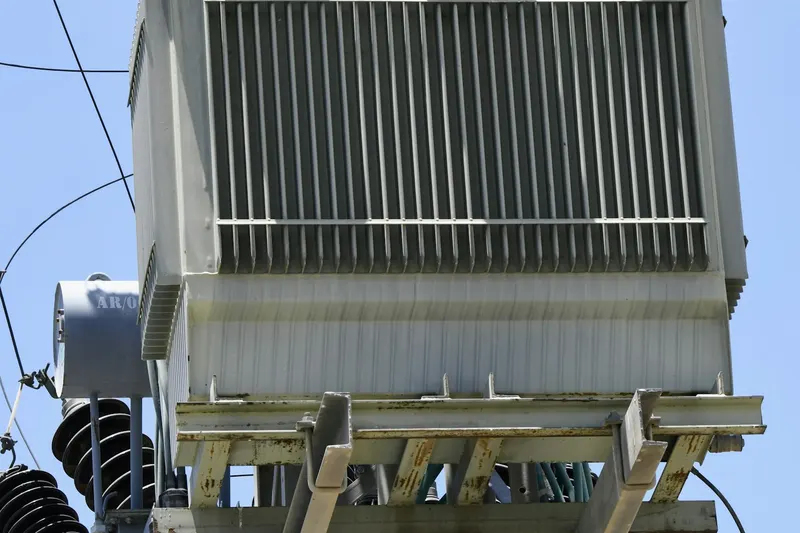
No reports? We’ll still make an offer. Reports just let us price the unit as what it is instead of what it might be.
Common ratings and voltages have more buyers. Specialized voltages narrow the market, even for a good unit.
Copper versus aluminum matters for both reuse and scrap value. Don’t assume — we verify.
PCB content affects value and how a unit can legally be handled. Known non-PCB status helps.
Missing bushings, radiators, gauges or tap changer pull the number toward scrap.
Recognized manufacturers resell well; older units need testing to prove themselves.
Crane needs, clearances and haul distance are real costs. Telling us up front keeps the offer firm.
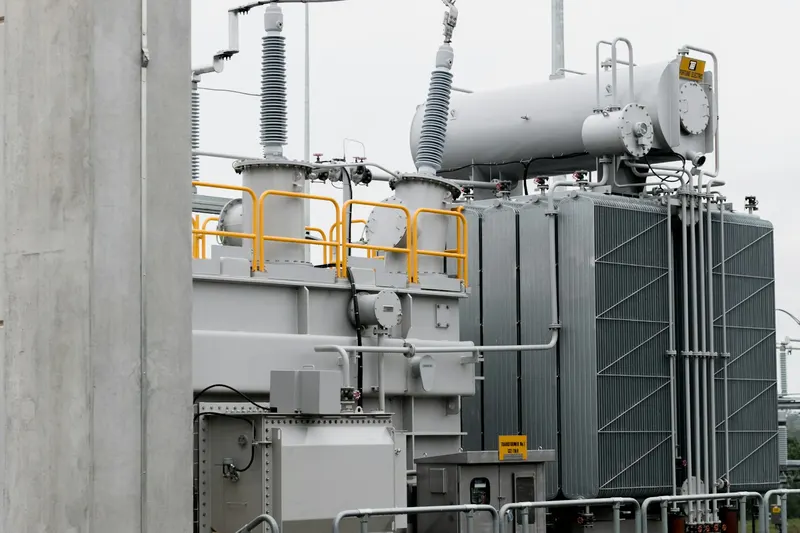
A dealer can only pay what they think they can resell a unit for. If it doesn’t sell, they lose.
We resell what can work again and melt what can’t, so every transformer has a floor price with us. That lets us make firm offers on units other buyers won’t touch.
No. This guide explains how buyers price used transformers. If you need a formal appraisal, use a credentialed appraiser. If you want to sell, we’ll give you a written purchase offer.
Because two units with the same rating can be worth wildly different amounts depending on condition, testing, PCB status and location. A per-kVA number would be wrong for most units.
If the unit was in service recently and is complete, an oil lab report is often worth getting — it’s the document that moves value most. Ask us first; we’ll tell you whether it’s likely to pay for itself.
Then we’ll tell you that and buy it for its metal. See scrap transformers.
Two business days from when you send us the nameplate and photos.
Only your name and email are required. If all you have is a photo of the nameplate, send that — we’ll read it and come back to you with a written offer within two business days.