 G.A. RITTENHOUSE
G.A. RITTENHOUSE
G.A. RITTENHOUSE
Failed, faulted, fire-damaged, flooded or struck by lightning — a dead transformer is still full of metal. We buy it as it stands, take it away, and recover what’s inside in our own furnace.
We own the furnace. A transformer that can work again gets resold; one that can’t gets melted in our Houston smelter. That’s why every unit has a price floor with us — and why we buy units other buyers turn down.
Units that tripped, failed a test, or were pulled after a winding or insulation failure.
Transformers caught in an electrical fire or a building fire, including units with burnt bushings and scorched tanks.
Units that sat in floodwater or were knocked out by a hurricane or lightning strike.
Ruptured, dented or leaking units. Tell us about any oil loss so we can plan the pickup.
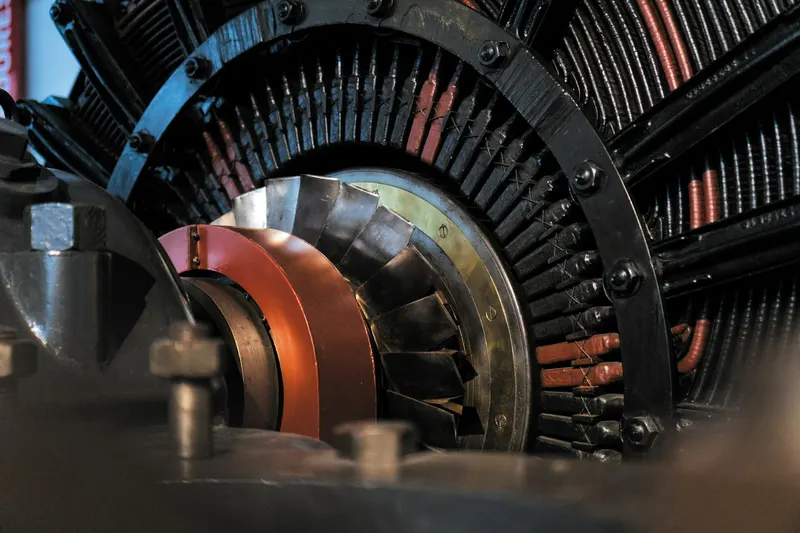
When a transformer fails, the copper or aluminum in its windings doesn’t go anywhere. Neither does the steel in its core and tank.
Some failed units can be rebuilt and returned to service; the rest are worth their metal. Either way, a burnt-out transformer isn’t a disposal bill — it’s something we buy.
Nameplate photo, what happened, and where it sits. Fault reports or test results help if you have them.
You’ll have a written purchase offer within two business days.
Our crew handles rigging and loading, and we arrange the freight.
Units that can work again are resold; the rest are dismantled and melted in our Houston furnace.
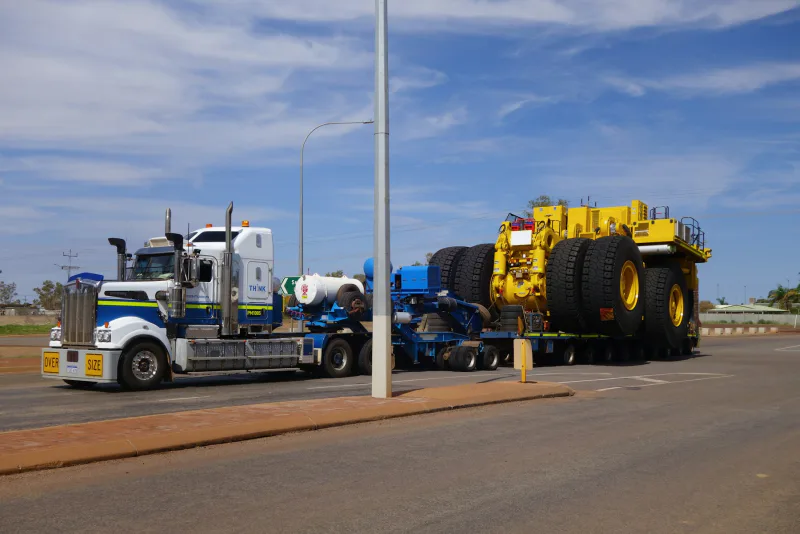
A failed transformer is often heavy, awkward and in the way of its replacement. We handle the rigging, loading and freight so your site is clear for the new unit.
Gulf Coast sites are our backyard; we buy and remove across the United States.
Yes. Failed, burnt-out, flooded and storm-damaged transformers all still contain recoverable copper or aluminum and steel.
Sometimes. It depends on what failed and how badly. We look at every unit for rebuild potential before pricing it as scrap.
A photo of the nameplate, a few photos of the damage, a short note on what happened, and any test or fault reports you have.
Tell us whether it’s oil-filled, whether it has leaked, and what you know about its PCB status. That decides how it has to be handled and affects the offer.
Once you accept the offer, we schedule removal. On the Gulf Coast that’s typically quick; nationwide removals depend on freight.
Only your name and email are required. If all you have is a photo of the nameplate, send that — we’ll read it and come back to you with a written offer within two business days.